Our solutions

One Integrated Solution for Learning Capacity

An app, a device, and a place — designed as one system rather than three products.

The problem

Learners who study longer don't always see proportional results, because focus and memory limit how much of that time actually converts into learning.

Existing apps only track time and to-do lists; none of them can see, or improve, the cognitive and emotional state that actually decides whether all that studying pays off.

The three pillars

What we are building

In development

tDCS Neuromodulation Device

Applies transcranial direct current stimulation, personalized in real time using each learner's app data.

Targeting full launch in 2028
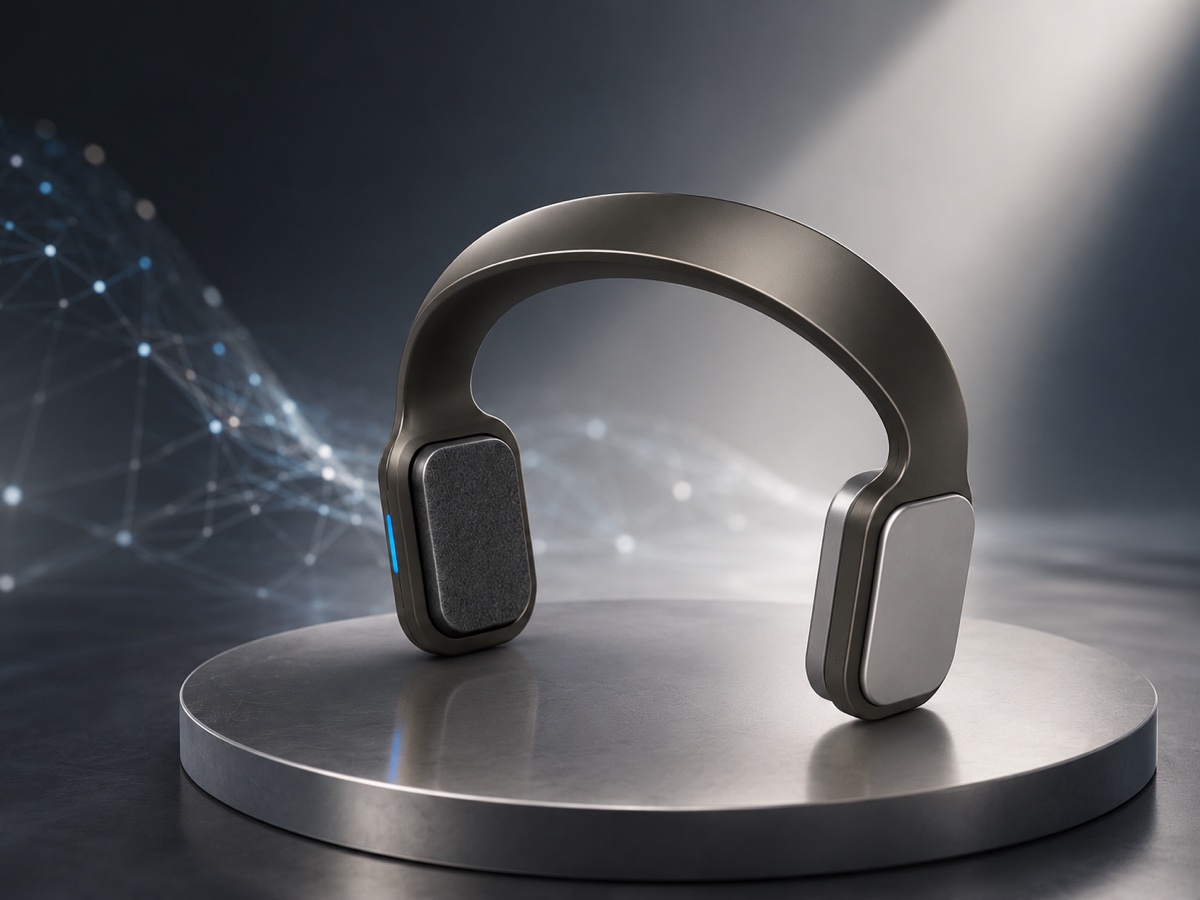
A product render of the L:BRN neuromodulation headset: a slim brushed-metal band with two soft contact pads, lit on a circular plinth.
Planned

Offline Learning Center

A premium space where in-person diagnostics build on each learner's app and device data, then sync back to the app for ongoing hybrid care.

Targeting opening in 2028
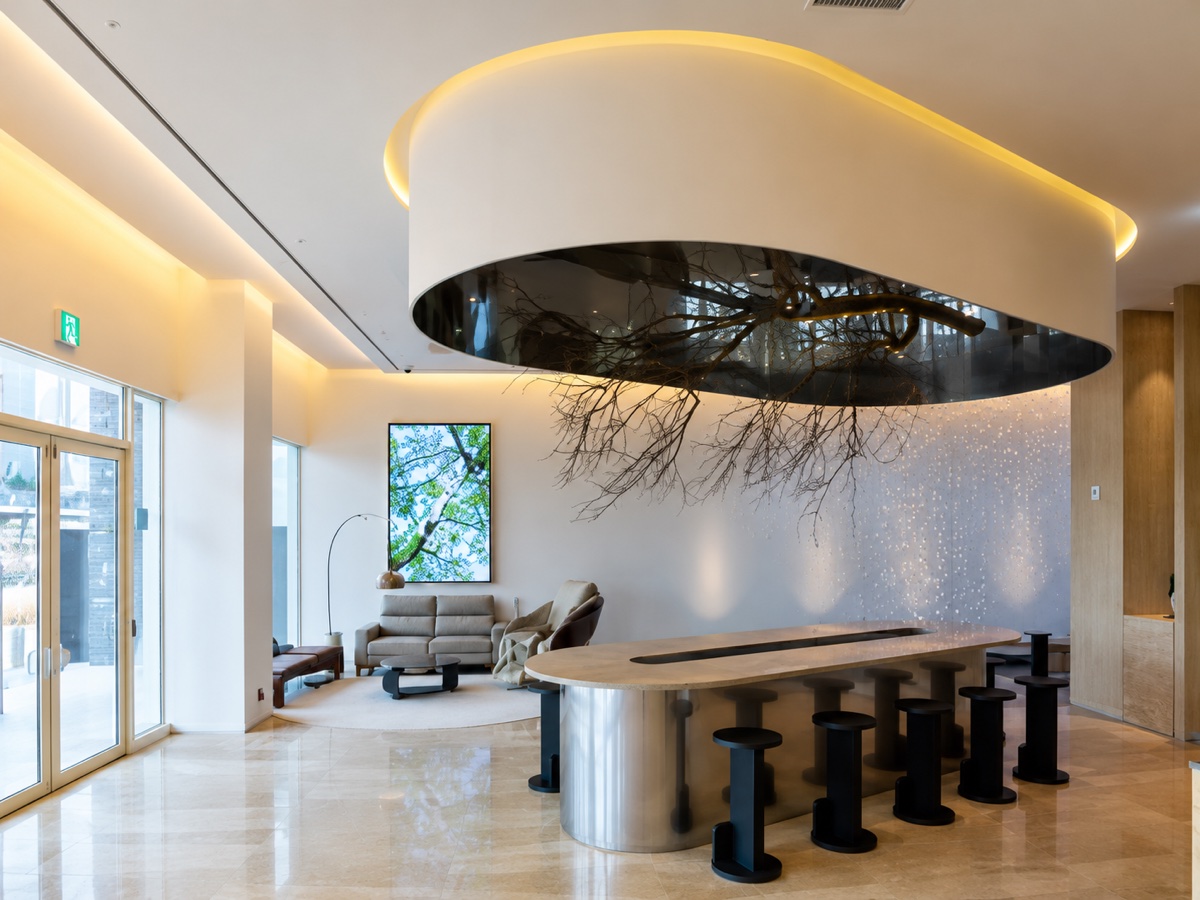
The interior of a premium learning centre: a long stone table ringed with stools under a backlit oval ceiling feature, with lounge seating beside full-height windows.
The L:BRN ecosystem The AI learning app, the tDCS device and the offline learning center each connect to a shared learner data core, and to one another. AI Learning App tDCS Device Offline Center Shared Learner Data
Ecosystem synergy

Three systems, one data layer

L:BRN closes that gap. The same behavioral, cognitive, and emotional data that powers the app also personalizes the tDCS device's stimulation protocol and feeds each learner's coaching plan at the offline center. All three systems run on shared data and reinforce one another rather than working in isolation.

Live now

Core features of the AI learning app

Everything below is shipped and in use today. It is also the source of the behavioural signal the rest of the ecosystem is built on.

Goal & Time Management

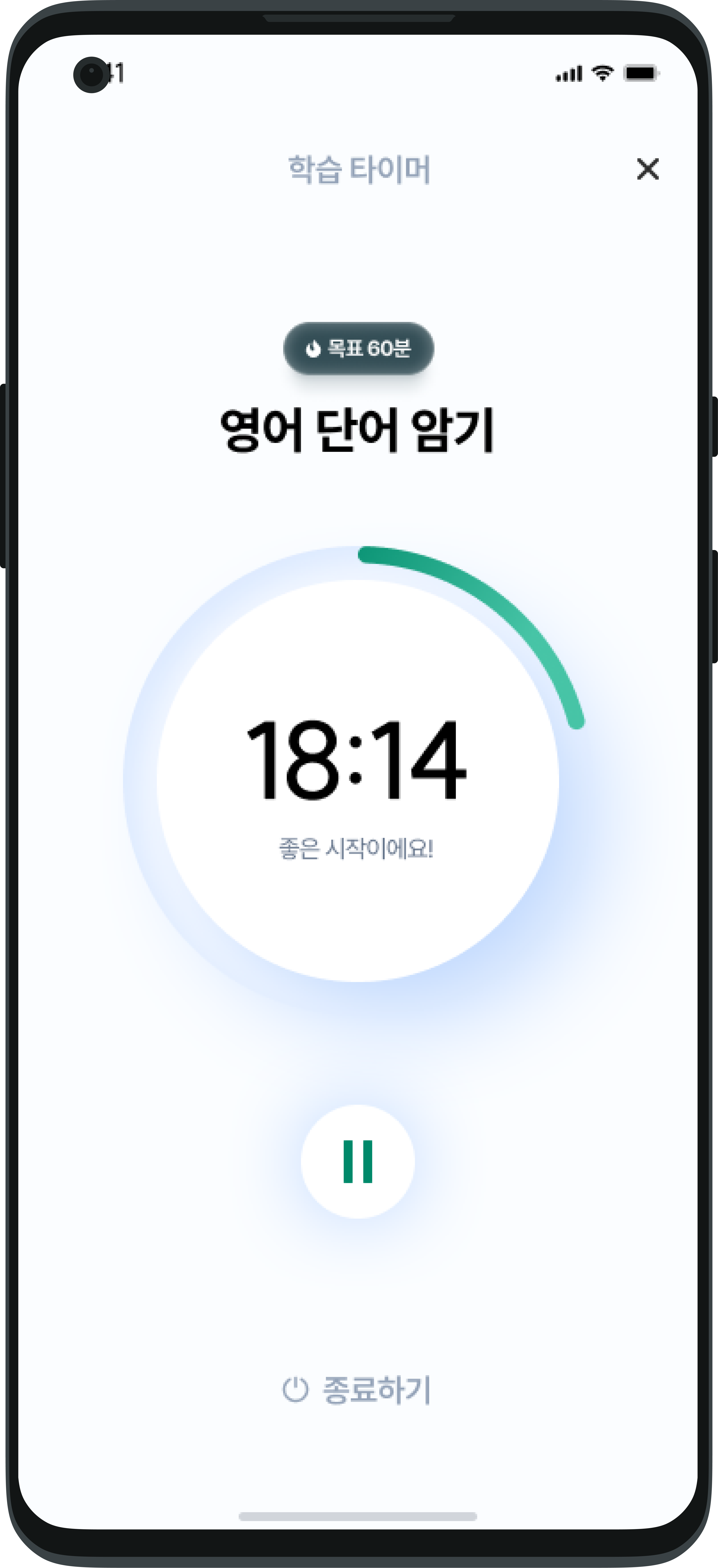
A calendar and focus timer log time and focus per session.

Study Teams

Teams built around shared goals compare live rankings.

Brain Games

40 games span five cognitive domains, with 20 already live and clinically reviewed by a board-certified psychiatrist.

Learning Reports

Study time, focus, sleep, subject breakdown, and per-domain brain-training scores appear in one view.
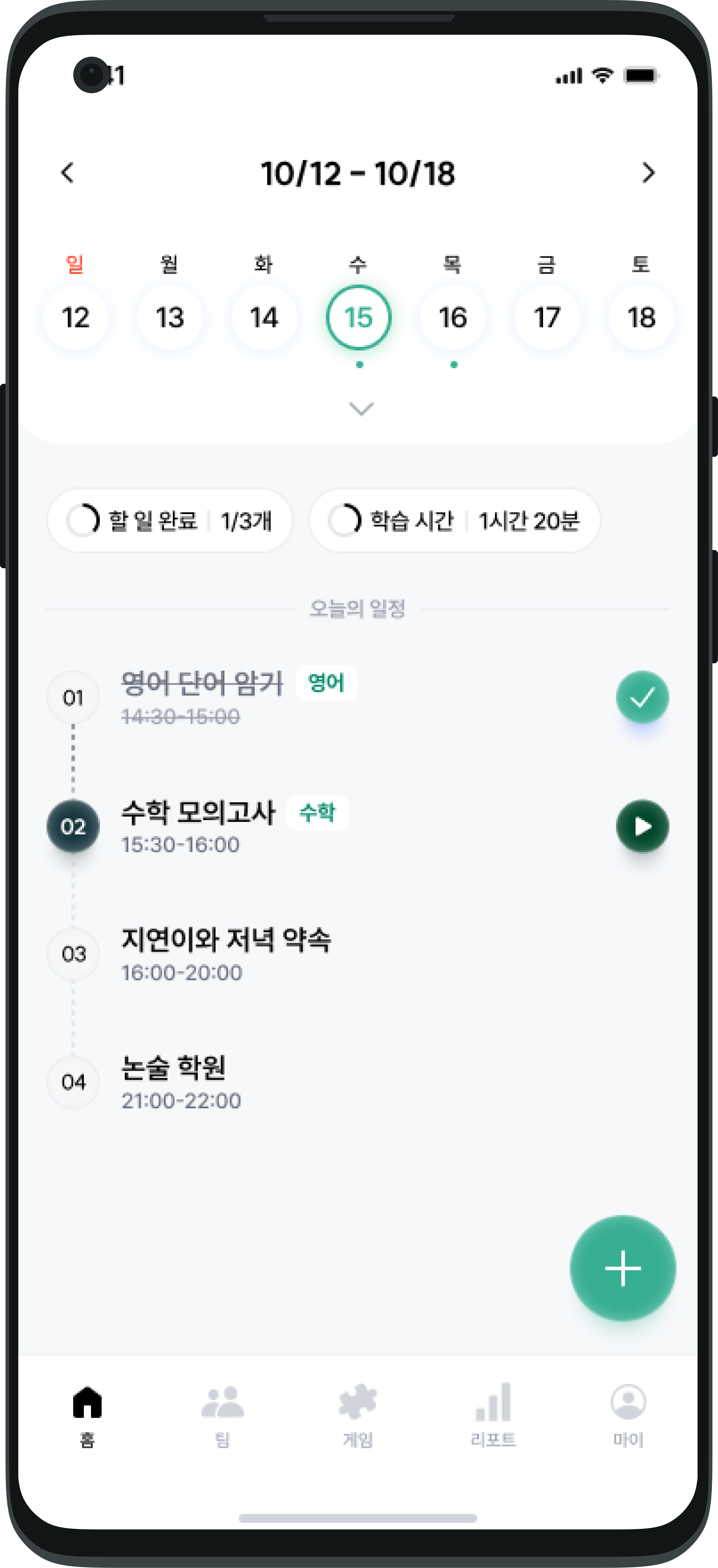
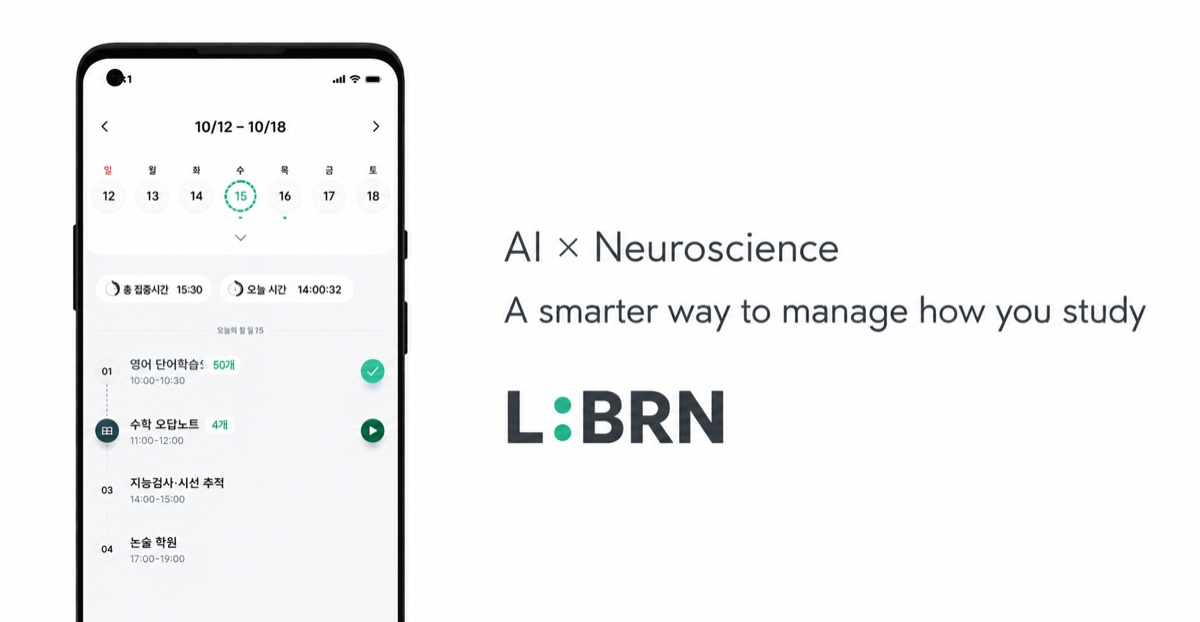
L:BRN app study log screen: a weekly calendar with Wednesday the 15th selected, progress chips showing 1 of 3 tasks completed and 1 hour 20 minutes studied, and a timeline of the day's schedule from English vocabulary memorisation to a writing academy class.
Study log · daily goals and schedule
L:BRN app focus timer screen: a session for English vocabulary memorisation against a 60-minute goal, with a circular progress ring around an elapsed time of 18 minutes 14 seconds, an encouraging message, and pause and end controls.
Focus timer · session tracking
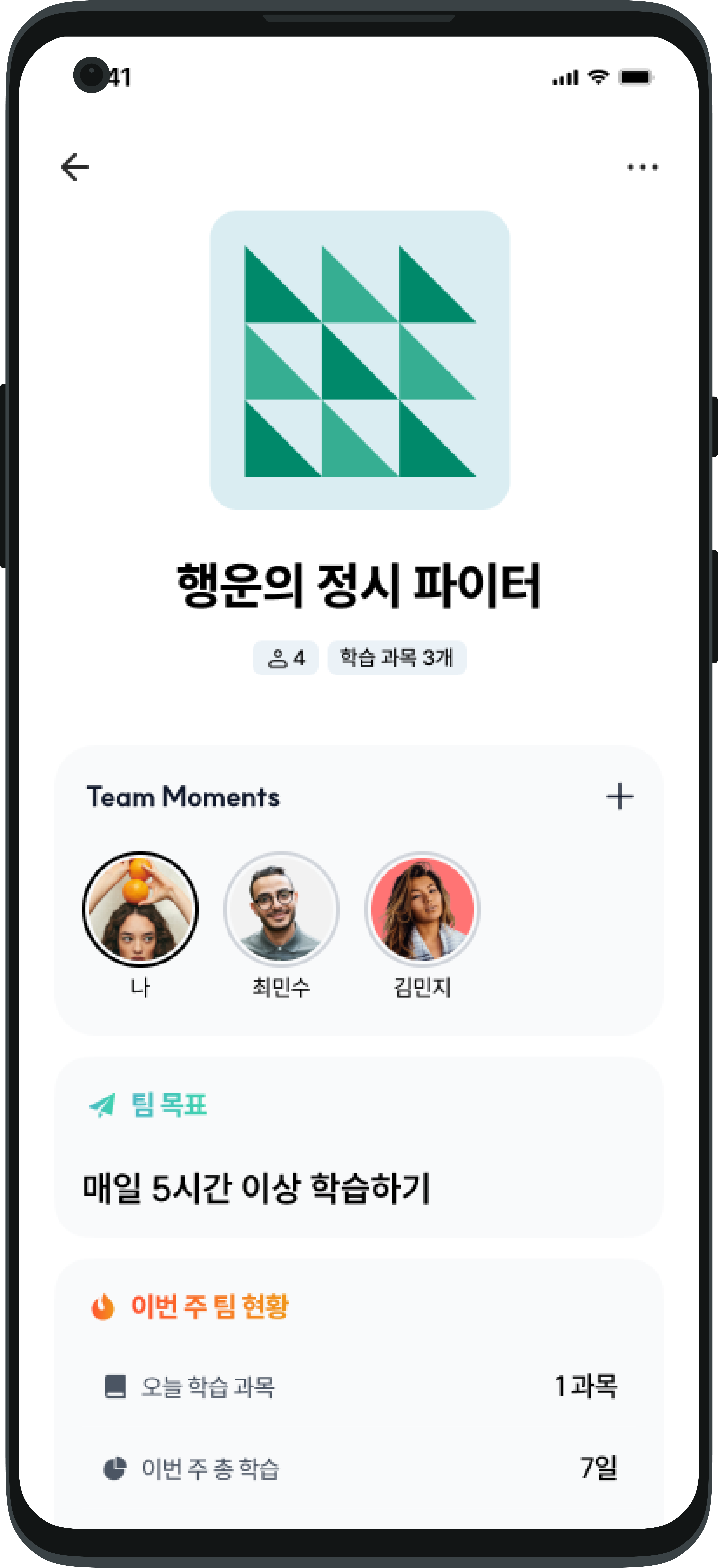
L:BRN app study team screen: a team page with four members and three subjects, a Team Moments row of member photos, a shared team goal of studying at least five hours a day, and this week's team status.
Study teams · shared goals
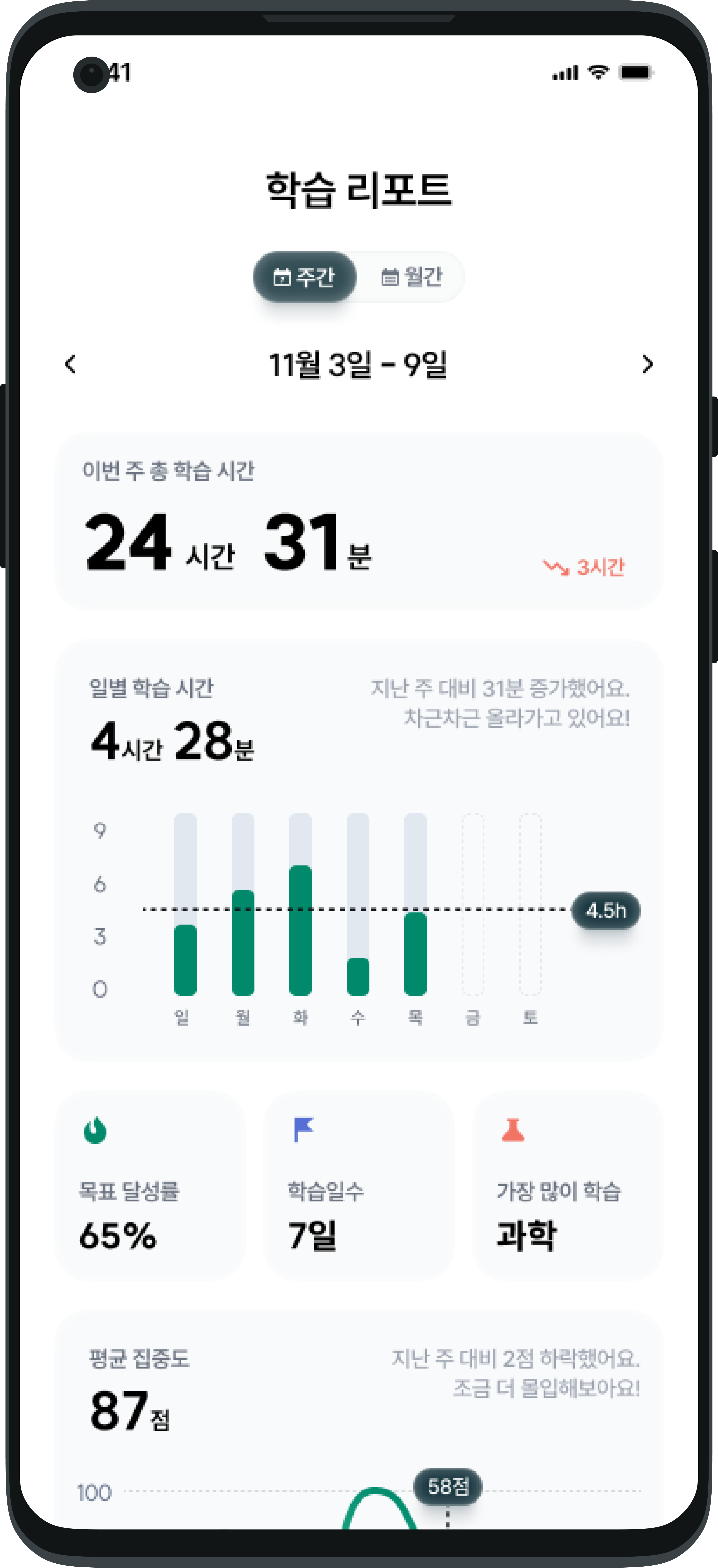
L:BRN app learning report screen: a weekly report totalling 24 hours 31 minutes of study, a bar chart of daily hours against a 4.5-hour average line, and summary metrics for goal achievement, days studied, top subject, and an average focus score of 87.
Learning report · weekly analytics

Want a walkthrough of the live app?

Book a demo